Northern lights in San Antonio tonight
Tonight's NOAA forecast peaks at Kp 3. San Antonio only catches the aurora in extreme (G5) storms, as a faint glow on a phone camera, as happened across Texas and Florida in May and October 2024, so the chance tonight is low.
- Best time–no aurora window
- CloudsPartly cloudy43% average, NWS
- LookNorthlow on the horizon
dark sky 44 mi W
Forecast built 11:01 am CST
Live aurora borealis (northern lights) chance for San Antonio, Texas, from NOAA's aurora model and Kp forecast, with tonight's darkness, clouds and moon. Checked every 10 minutes.
Tonight hour by hour
The next three nights in San Antonio
- SunNov 29 nightUnlikelyMax Kp 3 · Partly cloudy61%
- MonNov 30 nightUnlikelyMax Kp 2− · Clear50%
- TueDec 1 nightUnlikelyMax Kp 2− · Mostly cloudy39%
Kp forecast: NOAA SWPC 3-day forecast. Clouds: NWS gridpoint forecast for San Antonio (darkness hours only). Moon: share lit at the start of the night.
Where the aurora is right now
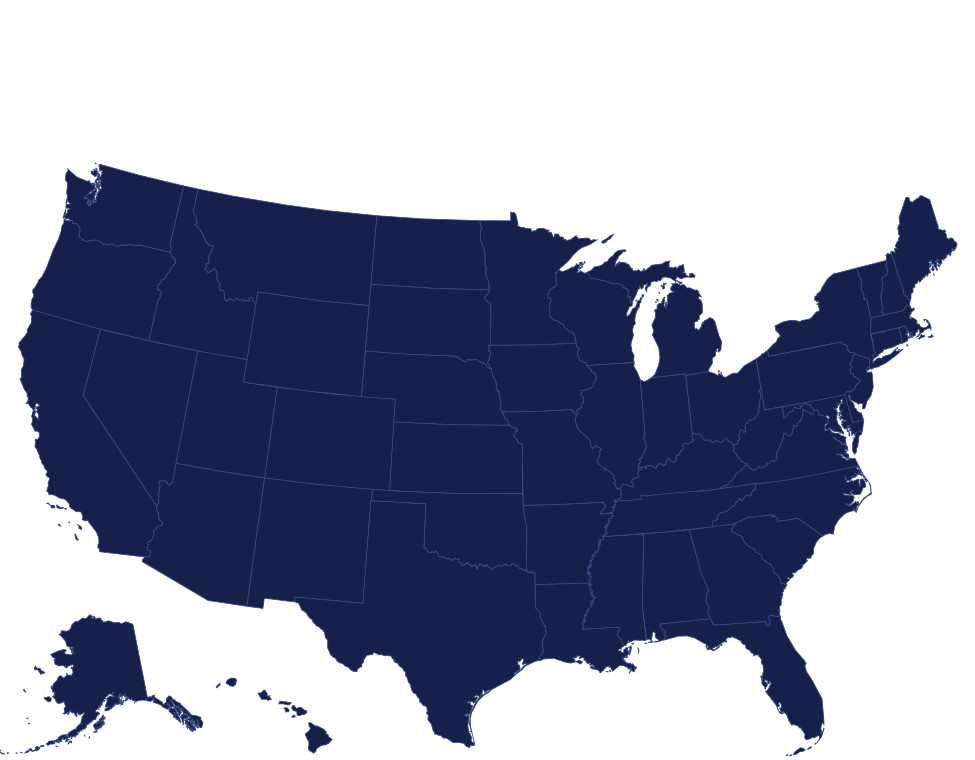

Green glow = NOAA OVATION aurora probability, observed Nov 29 16:53 UTC (forecast for about 30–90 minutes later). The oval sits over Canada on quiet nights and pushes south during storms.
What Kp does San Antonio need?
San Antonio sits at 37.6° geomagnetic latitude (29.5° N geographic). The further from the magnetic pole, the stronger the storm must be.
Tonight's forecast peak: Kp 3 Unlikely
- Kp 9G5Faint, camera only
- Kp 8G4Unlikely
- Kp 7G3Unlikely
- Kp 6G2Unlikely
- Kp 5G1Unlikely
- Kp 4Unlikely
Darker skies near San Antonio
Sky in San Antonio: Bright city sky
- 44 mi westDark sky (Milky Way visible)map (opens OpenStreetMap)
- 80 mi westVery dark skymap (opens OpenStreetMap)
Only the brightest stars and planets show; roughly Bortle 7–9. Estimated from NASA Black Marble night lights; distances are straight-line to the nearest dark land, which may be private: check access first. Texas light pollution map
Better odds further north
How to see it from San Antonio
- Wait for a G5 alert. San Antonio needs an extreme storm (NOAA G5, Kp 9−) for a faint glow on a phone camera. Those come only a few times a decade, so there is no point going out on ordinary nights; when NOAA issues a G4 or G5 watch, head out after dark, face north and take long phone exposures.
- Get away from San Antonio's lights. Even 30–60 minutes of driving away from the city, with an unblocked view north, makes the difference between nothing and a visible glow.
- Use your phone camera. Point it north, hold it still (or lean it on something) and use night mode or a 3–10 second exposure. Faint aurora often looks grey to the eye but green or red on camera.
- Mind the moon and clouds. Tonight's moon is 61% lit, which washes out faint aurora; the darkest stretch without the moon is about 4.3 hours.
- Be patient. Displays come in waves of 10–30 minutes, often an hour or more apart. Dress for the cold and give it time.
Questions
Can you see the northern lights in San Antonio tonight?
Probably not tonight. NOAA's forecast for tonight peaks at Kp 3, and San Antonio needs an extreme storm (NOAA G5, Kp 9−) for a faint glow on a phone camera. This page refreshes every 10 minutes.
What time is best to see the aurora in San Antonio?
Full darkness tonight runs from 6:58 pm to 5:46 am. During storms the aurora is often strongest from about 10 pm to 2 am local time, but it can flare at any hour, so check the hourly strip above.
What Kp index do you need to see the northern lights in San Antonio?
San Antonio is at 37.6° geomagnetic latitude, so it needs an extreme storm (NOAA G5, Kp 9−) for a faint glow on a phone camera. Storms that strong (G5) come only a few times a decade; recent ones, in May and October 2024, put the aurora on phone cameras across Texas and Florida.
Which direction should I look from San Antonio?
North. Find a spot with a low, open northern horizon away from streetlights, let your eyes adapt for 15–20 minutes and try a 3-second phone photo: cameras see the aurora's colour better than eyes do.
Will clouds block the aurora in San Antonio tonight?
The National Weather Service expects partly cloudy skies after dark (43% average cloud cover). The aurora is 100 km up or more, so any cloud layer hides it.
More from San Antonio
- Night sky tonight in San AntonioPlanets, moon, ISS passes and clouds
- Northern lights in TexasTonight's chance in every city
- Texas light pollution mapWhere the darkest skies are
- Kp index nowLive Kp and the 3-day NOAA forecast