Northern lights in Denver tonight
Tonight's NOAA forecast peaks at Kp 3. Denver usually needs about Kp 8+ to see the aurora low on the northern horizon (Kp 7 for a faint glow on a phone camera), so the chance tonight is low.
- Best time–no aurora window
- CloudsPartly cloudy59% average, NWS
- LookNorthlow on the horizon
dark sky 38 mi E
Forecast built 10:01 am MST
Live aurora borealis (northern lights) chance for Denver, Colorado, from NOAA's aurora model and Kp forecast, with tonight's darkness, clouds and moon. Checked every 10 minutes.
Tonight hour by hour
The next three nights in Denver
- SunNov 29 nightUnlikelyMax Kp 3 · Partly cloudy61%
- MonNov 30 nightUnlikelyMax Kp 2− · Partly cloudy50%
- TueDec 1 nightUnlikelyMax Kp 2− · Partly cloudy39%
Kp forecast: NOAA SWPC 3-day forecast. Clouds: NWS gridpoint forecast for Denver (darkness hours only). Moon: share lit at the start of the night.
Where the aurora is right now
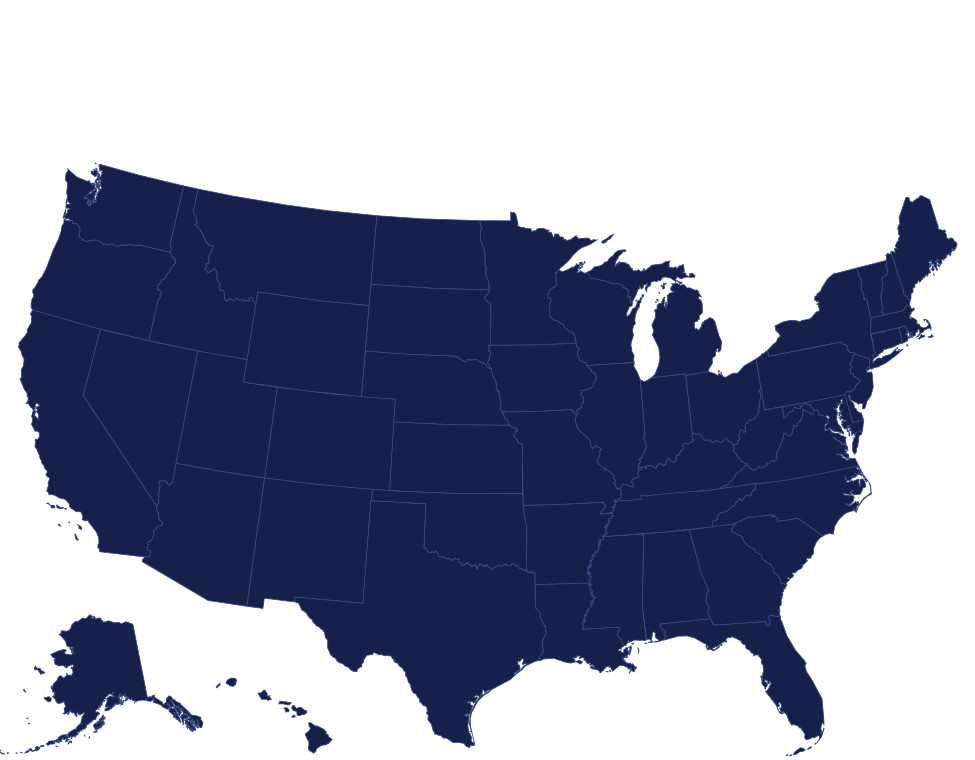

Green glow = NOAA OVATION aurora probability, observed Nov 29 16:53 UTC (forecast for about 30–90 minutes later). The oval sits over Canada on quiet nights and pushes south during storms.
What Kp does Denver need?
Denver sits at 47.3° geomagnetic latitude (39.8° N geographic). The further from the magnetic pole, the stronger the storm must be.
Tonight's forecast peak: Kp 3 Unlikely
- Kp 9G5Likely on the horizon
- Kp 8G4Faint, camera only
- Kp 7G3Faint, camera only
- Kp 6G2Unlikely
- Kp 5G1Unlikely
- Kp 4Unlikely
Darker skies near Denver
Sky in Denver: Bright city sky
- 38 mi eastDark sky (Milky Way visible)map (opens OpenStreetMap)
- 73 mi eastVery dark skymap (opens OpenStreetMap)
Only the brightest stars and planets show; roughly Bortle 7–9. Estimated from NASA Black Marble night lights; distances are straight-line to the nearest dark land, which may be private: check access first. Colorado light pollution map
Better odds further north
How to see it from Denver
- Watch the Kp, not the clock. Denver needs about Kp 8+. When NOAA issues a geomagnetic storm watch at that level or higher, plan to go out after dark and keep this page open.
- Get away from Denver's lights. Even 30–60 minutes of driving away from the city, with an unblocked view north, makes the difference between nothing and a visible glow.
- Use your phone camera. Point it north, hold it still (or lean it on something) and use night mode or a 3–10 second exposure. Faint aurora often looks grey to the eye but green or red on camera.
- Mind the moon and clouds. Tonight's moon is 61% lit, which washes out faint aurora; the darkest stretch without the moon is about 4.3 hours.
- Be patient. Displays come in waves of 10–30 minutes, often an hour or more apart. Dress for the cold and give it time.
Questions
Can you see the northern lights in Denver tonight?
Probably not tonight. NOAA's forecast for tonight peaks at Kp 3, and Denver needs about Kp 8+ to see it low on the northern horizon. This page refreshes every 10 minutes.
What time is best to see the aurora in Denver?
Full darkness tonight runs from 6:11 pm to 5:24 am. During storms the aurora is often strongest from about 10 pm to 2 am local time, but it can flare at any hour, so check the hourly strip above.
What Kp index do you need to see the northern lights in Denver?
Denver is at 47.3° geomagnetic latitude, so it needs about Kp 8+. Kp 8 (G4) is reached about once or twice a year near solar maximum, and some quiet years see none.
Which direction should I look from Denver?
North. Find a spot with a low, open northern horizon away from streetlights, let your eyes adapt for 15–20 minutes and try a 3-second phone photo: cameras see the aurora's colour better than eyes do.
Will clouds block the aurora in Denver tonight?
The National Weather Service expects partly cloudy skies after dark (59% average cloud cover). The aurora is 100 km up or more, so any cloud layer hides it.
More from Denver
- Night sky tonight in DenverPlanets, moon, ISS passes and clouds
- Northern lights in ColoradoTonight's chance in every city
- Colorado light pollution mapWhere the darkest skies are
- Kp index nowLive Kp and the 3-day NOAA forecast